When you think about your oral health, your teeth and gums probably get most of the attention. But there’s another important part of your mouth that deserves a closer look: your tongue.
Your tongue helps you taste, chew, swallow, and speak. Changes in its appearance or texture can sometimes offer clues about what’s happening inside your mouth.
As we head into November, it’s a great time to learn what’s normal, what changes to watch for, and when to talk with your dentist.
What Does a Healthy Tongue Look Like?
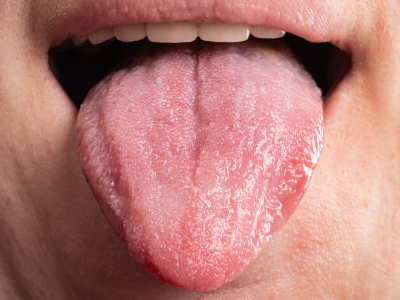
A healthy tongue is typically pink, although its exact shade can vary from person to person. It also has tiny bumps called papillae that help with taste and give the tongue its textured appearance.
It’s normal for your tongue to look slightly different throughout the day. However, persistent changes in color, texture, or comfort may deserve attention.
Why Does My Tongue Look White?
A white coating on your tongue can develop when bacteria, food particles, and dead cells collect between the tiny bumps on its surface.
According to the Mayo Clinic, common contributing factors include dehydration, tobacco use, and inadequate oral hygiene.
A white tongue isn’t always a reason for concern, but persistent white patches may sometimes indicate an infection or another condition that requires evaluation.
If the coating doesn’t improve or you notice pain, sores, or other unusual symptoms, contact your dentist.
What About Red Patches or Changes in Texture?
Some people develop smooth, red patches on their tongues that appear to move or change shape over time.
This condition, known as geographic tongue, is generally harmless and isn’t associated with oral cancer. However, it can sometimes cause sensitivity to spicy or acidic foods.
The Mayo Clinic explains that geographic tongue often doesn’t require treatment, although a dental professional can help confirm the diagnosis and rule out other conditions.
Not every red patch is geographic tongue, so it’s important to have unfamiliar or persistent changes examined.
When Should You Be Concerned?
Many tongue changes are temporary, but certain symptoms shouldn’t be ignored.
Schedule an evaluation if you notice:
- A sore that doesn’t heal
- Persistent white or red patches
- Unexplained swelling or lumps
- Ongoing pain or burning
- Difficulty moving your tongue
- Changes that make eating or swallowing uncomfortable
The NHS recommends having mouth ulcers evaluated if they persist longer than three weeks. You should seek advice sooner if a sore is worsening, unusually painful, or accompanied by other concerning symptoms.
Should You Brush Your Tongue?
Gently cleaning your tongue can be part of your daily oral hygiene routine.
You can use a soft-bristled toothbrush or a tongue scraper to remove surface buildup. Avoid scraping aggressively, which may irritate the delicate tissue.
Continue brushing your teeth twice daily with fluoride toothpaste, cleaning between your teeth every day, and attending regular dental checkups.
Your Oral Health Is More Than Just Your Teeth
Your tongue is an important part of your oral health, and paying attention to changes can help you recognize when something isn’t quite right.
At Thomas Dental Care in Owasso, we look beyond your teeth during routine dental exams to evaluate your overall oral health.
If you’ve noticed an unusual change in your tongue or it’s time for your next checkup, contact Thomas Dental Care today to schedule an appointment.